The one side of Kilimanjaro almost nobody climbs.
Fourteen days. A helicopter insert onto the western flank, a route across the Shira plateau, a traverse of the last tropical ice, a night in the summit crater at 5,730 metres, Uhuru at first light, then three days at Singita Sasakwa on 350,000 acres of the Serengeti.
A private crossing of Kilimanjaro's quiet western side, a night inside the summit crater, and the Serengeti after.
Almost every party on Kilimanjaro walks the same handful of trails up the southern and eastern flanks. This expedition goes up the other side.
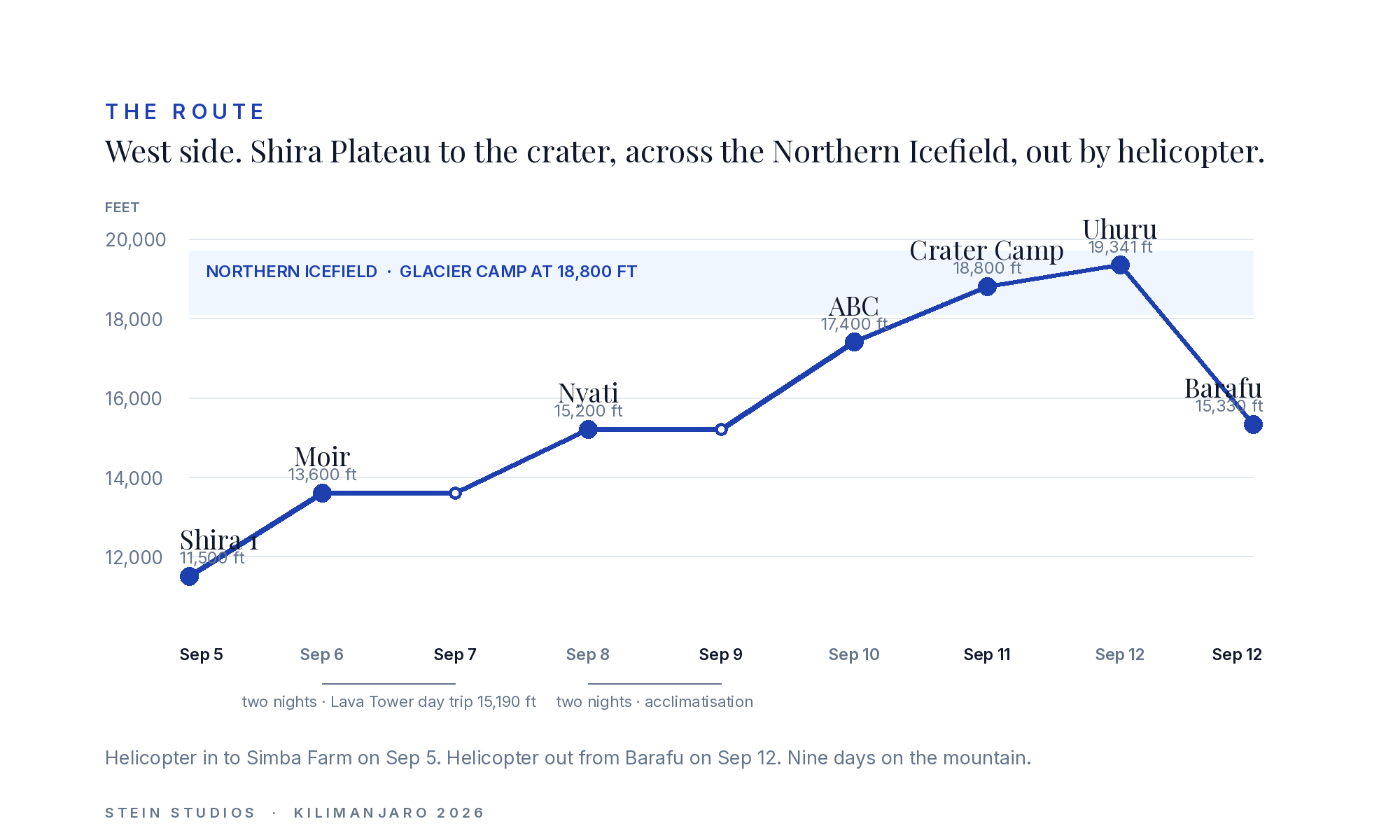
A helicopter lifts you from Arusha onto Simba Farm on the western flank, and the walking starts at the Murram Barrier at 3,100 metres. The route crosses the Shira plateau to Moir, then breaks northwest onto a line developed over several seasons of ground work with Kilimanjaro National Park: Nyati at 4,663 metres, an advanced base camp at 5,304 metres, and a traverse of the Northern Icefield to Crater Camp at 5,730 metres, inside the caldera, beside glacier walls roughly 11,700 years old that will not last another century.
You sleep in the crater. You leave for Uhuru Peak before dawn, stand at 5,895 metres, descend by Stella Point to Barafu, and a helicopter takes you off the mountain the same day.
Then the second half. A private Cessna Caravan to Sasakwa Airstrip and three nights at Singita Sasakwa Lodge on the Grumeti Reserves, 350,000 acres on the western corridor of the Serengeti. On the last morning, a helicopter over the Great Rift Valley: Lake Natron, the soda flats, and the active cone of Ol Doinyo Lengai, with lunch on the lakeshore before the evening flight home.
Maximum four guests. Private guiding throughout. Nine days on the mountain, three in the Serengeti, and a single aircraft-and-lodge chain arranged so that nothing is shared with anyone else.
Experienced trekkers who want Kilimanjaro without the trail traffic. Suited to travellers who have walked at altitude before, who prefer a private aircraft-and-lodge chain to a fixed departure, and who want the mountain and the Serengeti as one continuous fourteen days rather than two separate trips.
Kilimanjaro takes roughly fifty thousand people a year and puts nearly all of them on the same few trails. Machame, Lemosho, Marangu, Rongai. The western flank is quiet by comparison, and the corridor this route uses is quieter still.
This is not the standard product with a helicopter bolted on. The approach, the camps, the icefield crossing and the crater night are a single line that has been worked out on the ground over several seasons with Kilimanjaro National Park and its rangers. It is longer, higher and better acclimatised than a commercial ascent, and it ends in the caldera rather than on a dawn conga line up the Barafu scree.
Nine days on the mountain. Three in the Serengeti. One party, one aircraft chain, nothing shared.

The helicopter puts you down at Simba Farm on the western flank. Lunch on the farm, then the walking starts at the Murram Barrier at 3,100 metres and the first night is Shira 1 at 3,505 metres.
Day two crosses the Shira plateau to Moir at 4,145 metres, ten kilometres of open volcanic tableland with the summit block ahead of you the whole way. Day three is an acclimatisation day: out to Lava Tower at about 4,630 metres, a guided rappel down its face, and back to Moir to sleep low.
Day four breaks northwest onto the new line. Route-finding across volcanic ground to Nyati at 4,663 metres, then a second acclimatisation day with a walk to roughly 5,000 metres and a return to camp. Day six climbs to Advanced Base Camp at 5,304 metres, including a protected handrail section.
The profile is deliberately slow. Two full acclimatisation days is more than almost any operator builds in, and it is the reason this route can put you in the crater rather than turning you around at Stella Point.

From Advanced Base Camp the route goes up into the summit zone and crosses between the glaciers of the Northern Icefield to the cinder cone and Crater Camp at 5,730 metres.
The ice on Kilimanjaro is about 11,700 years old. It has lost the large majority of its mass since it was first surveyed in 1912 and it is on track to be gone inside a single climbing lifetime. Standing next to a glacier wall at the equator, at that altitude, in that silence, is not something that will be available for very much longer.
You sleep in the crater. Very few people do. It is cold, it is thin, and it is the reason the two acclimatisation days exist.
From Crater Camp the summit is close. A pre-dawn start puts you on Uhuru Peak at 5,895 metres, the highest point in Africa and the highest freestanding mountain in the world, at first light and typically before the crowds coming up from Barafu.
Then down. Stella Point, then roughly seven kilometres of descent to Barafu, and a helicopter off the mountain the same day. No two-day walk-out on ruined knees. You are back in Arusha for dinner.
A private Cessna Caravan takes you from Arusha to Sasakwa Airstrip and three nights at Singita Sasakwa Lodge.
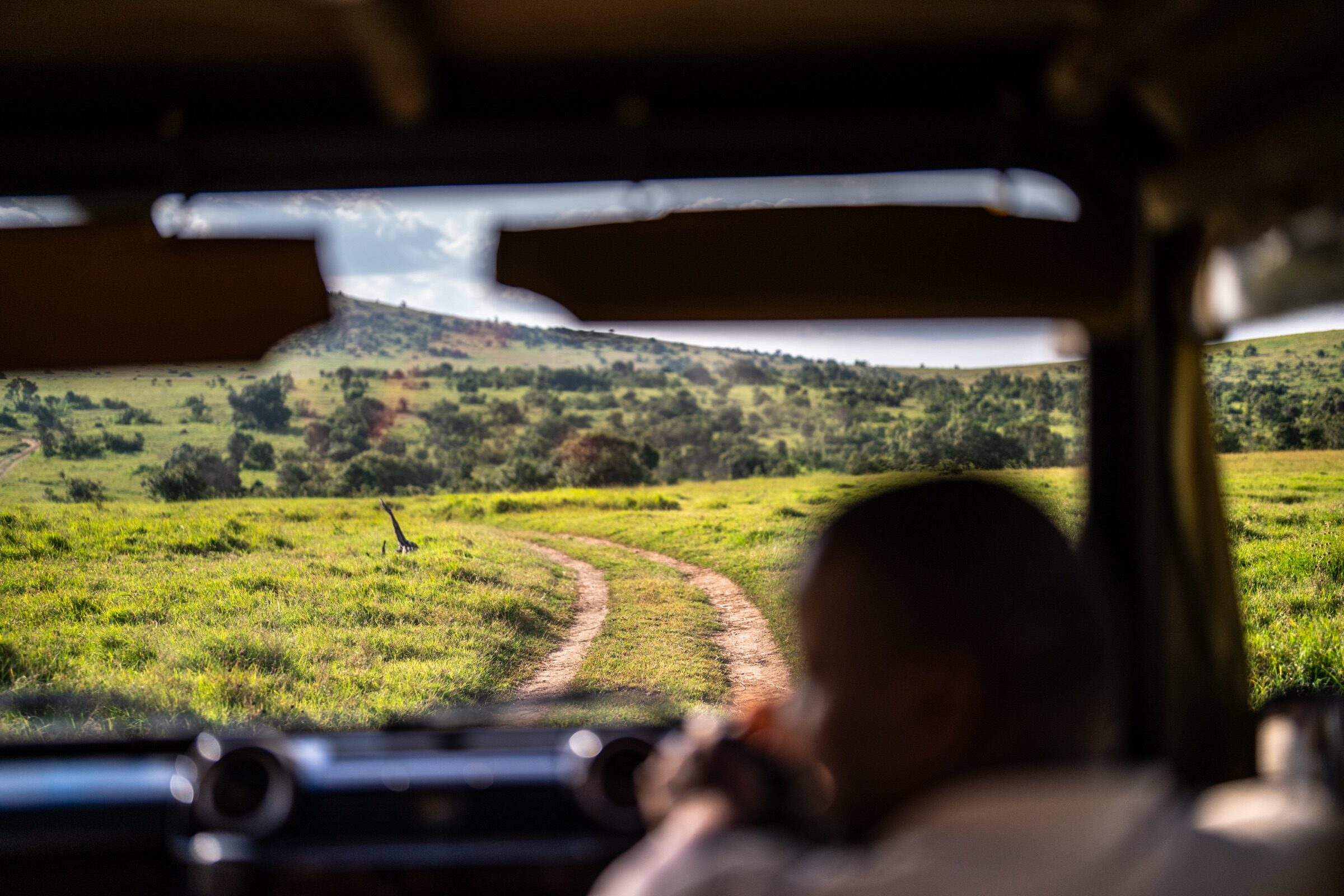
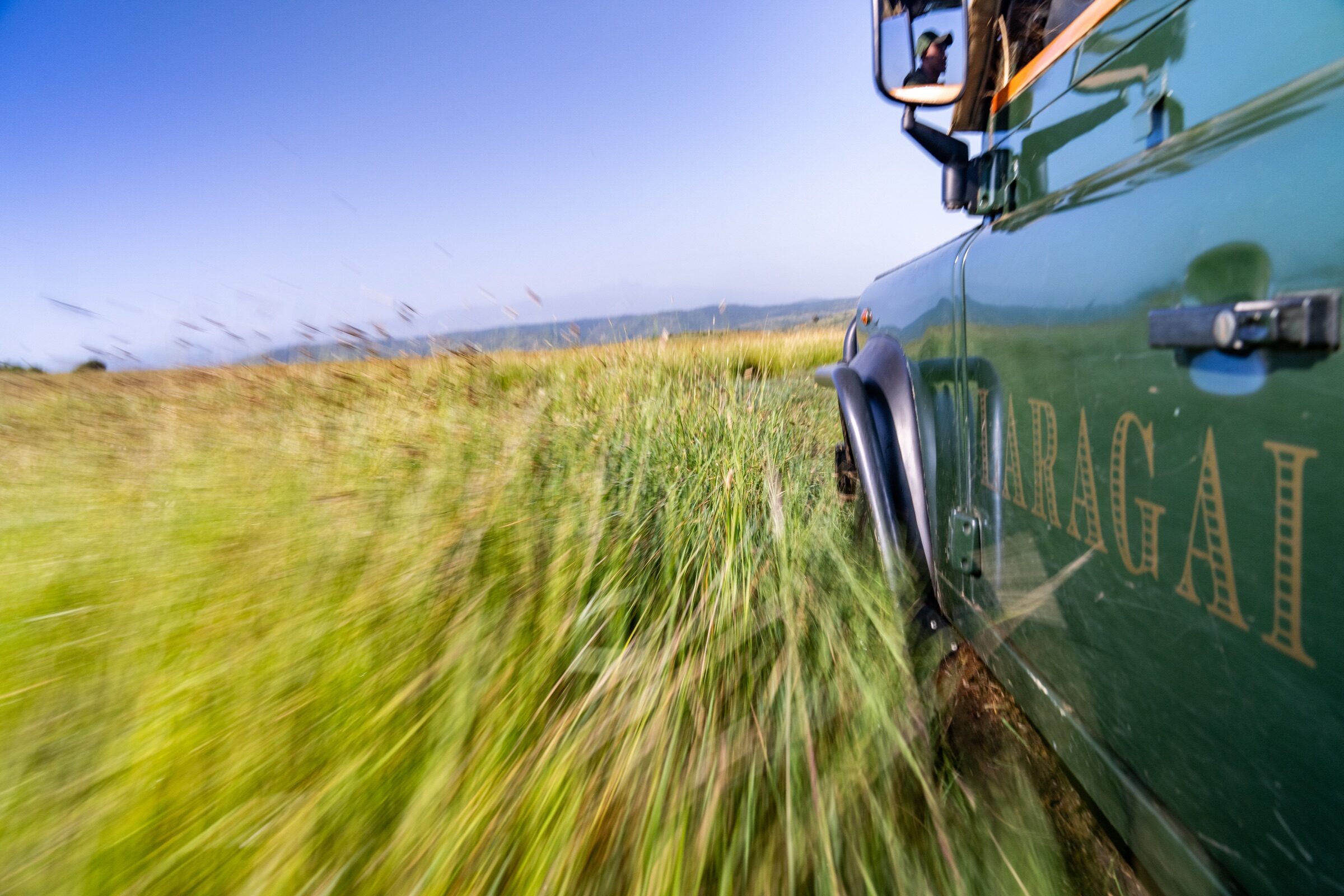
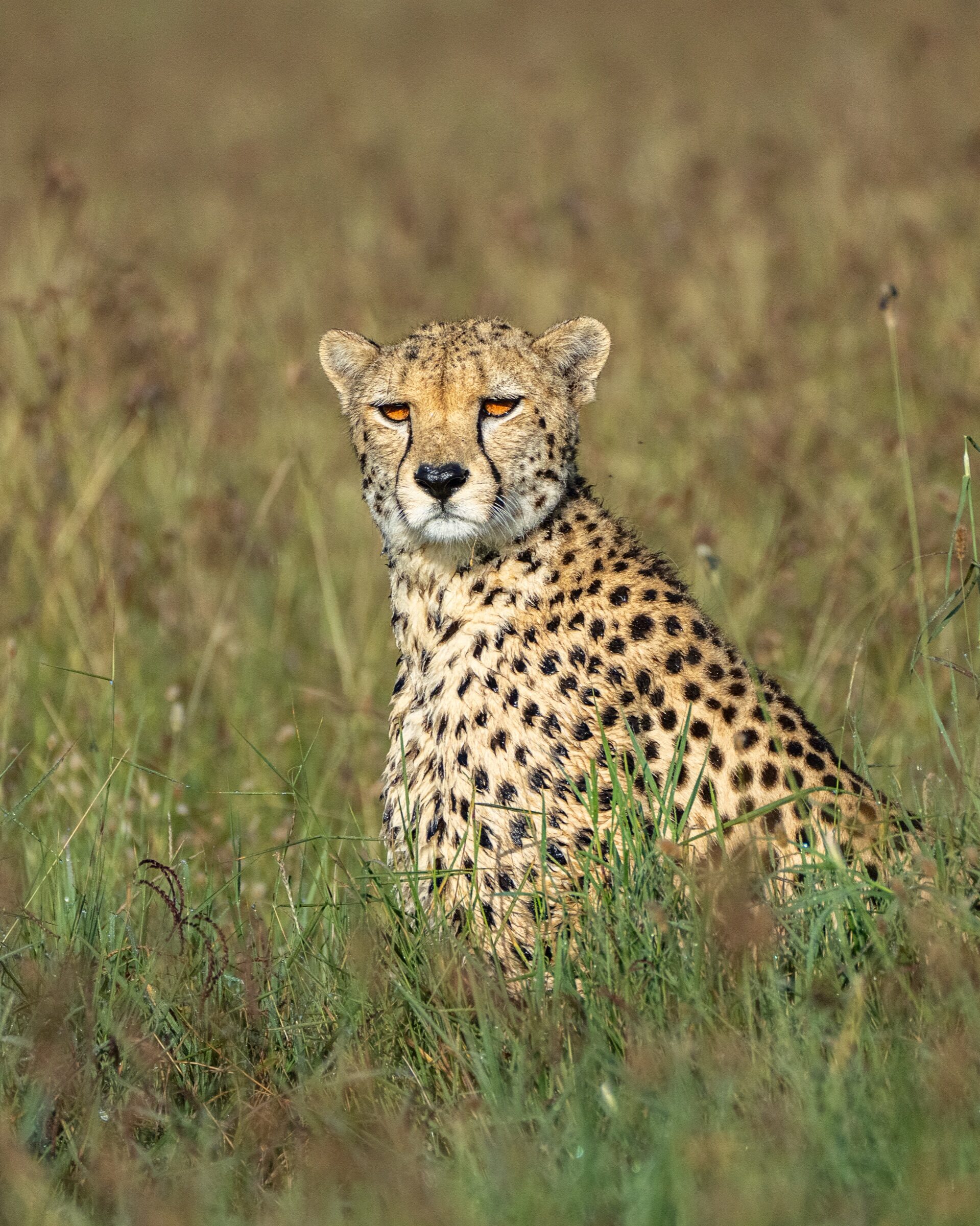
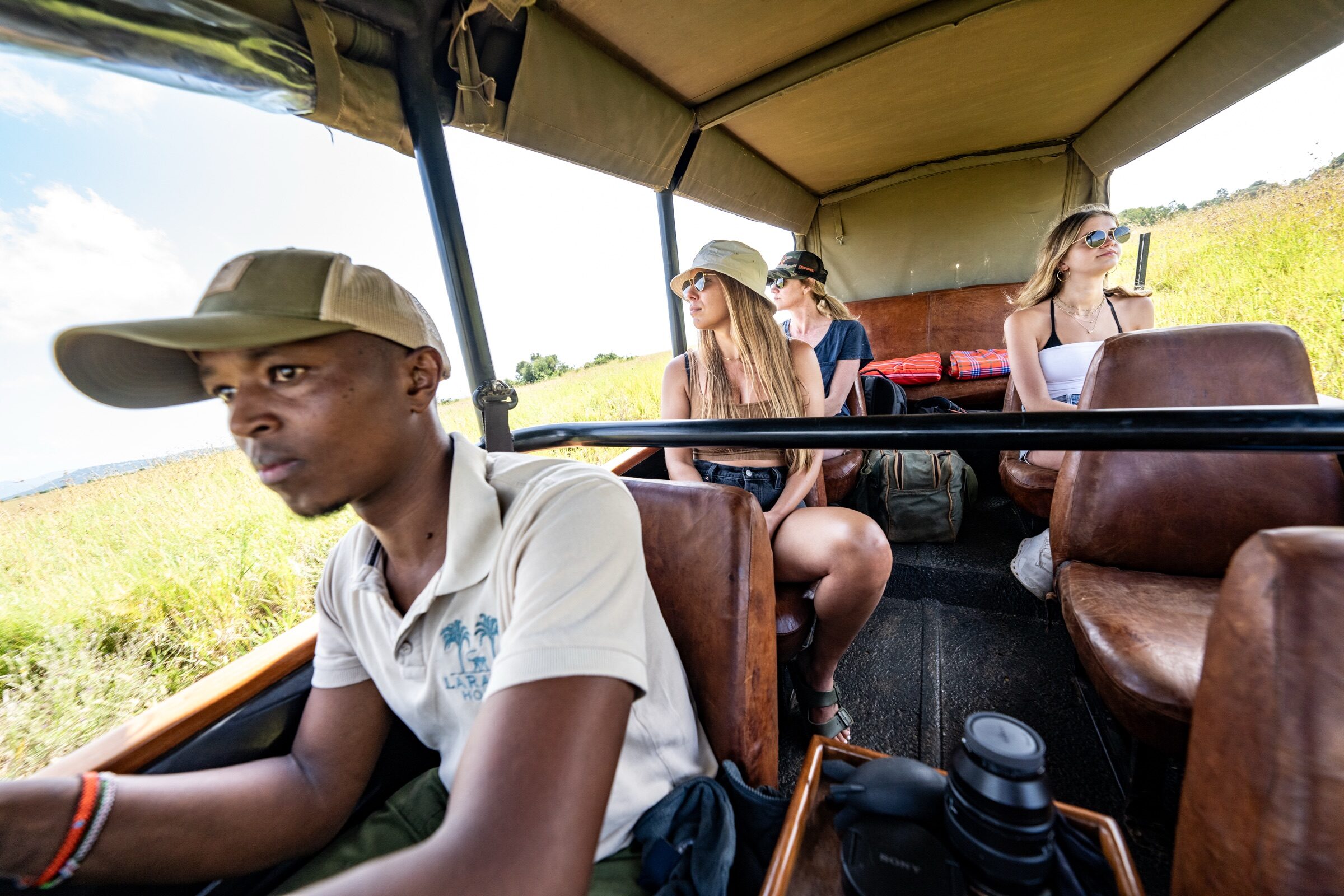
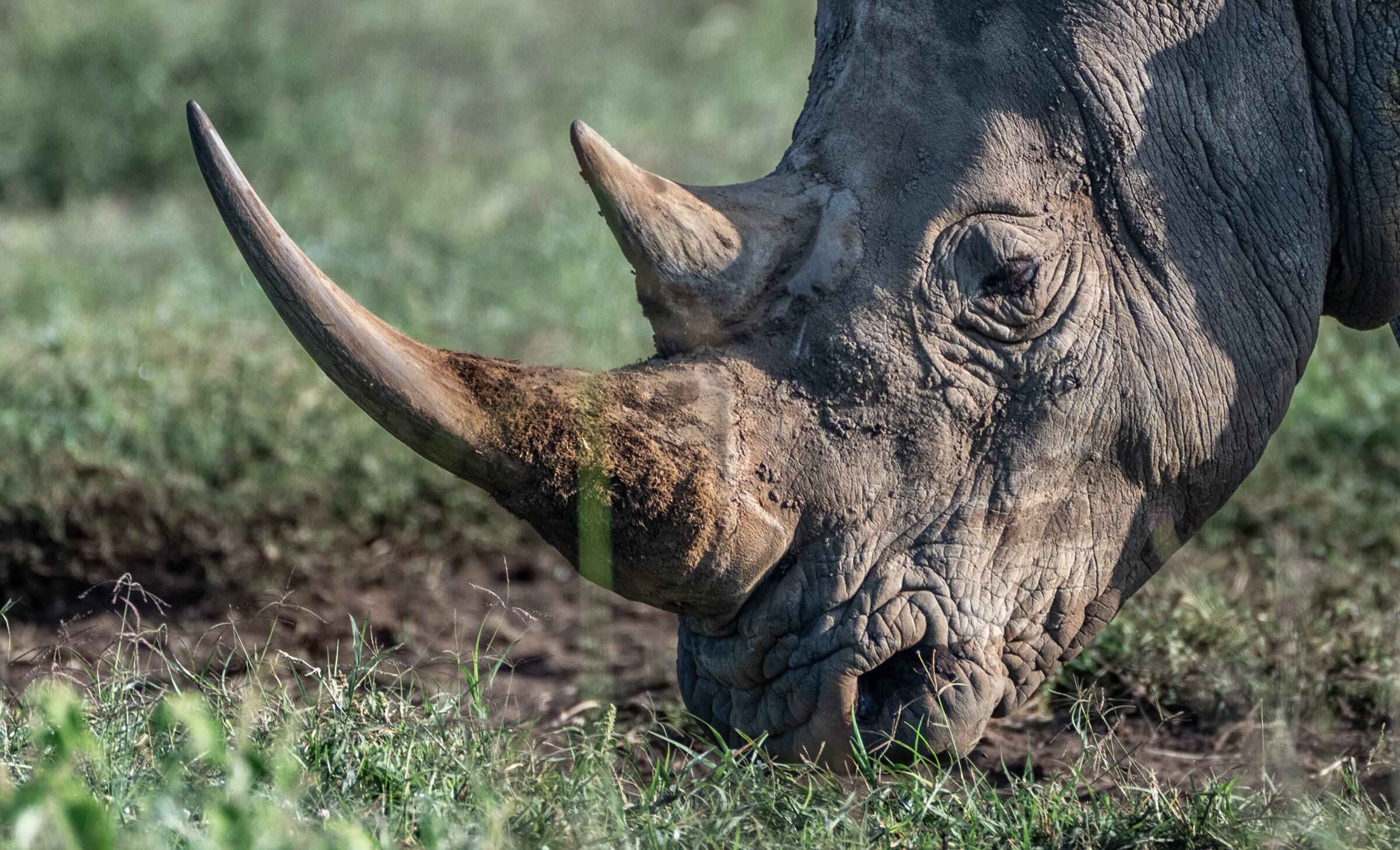
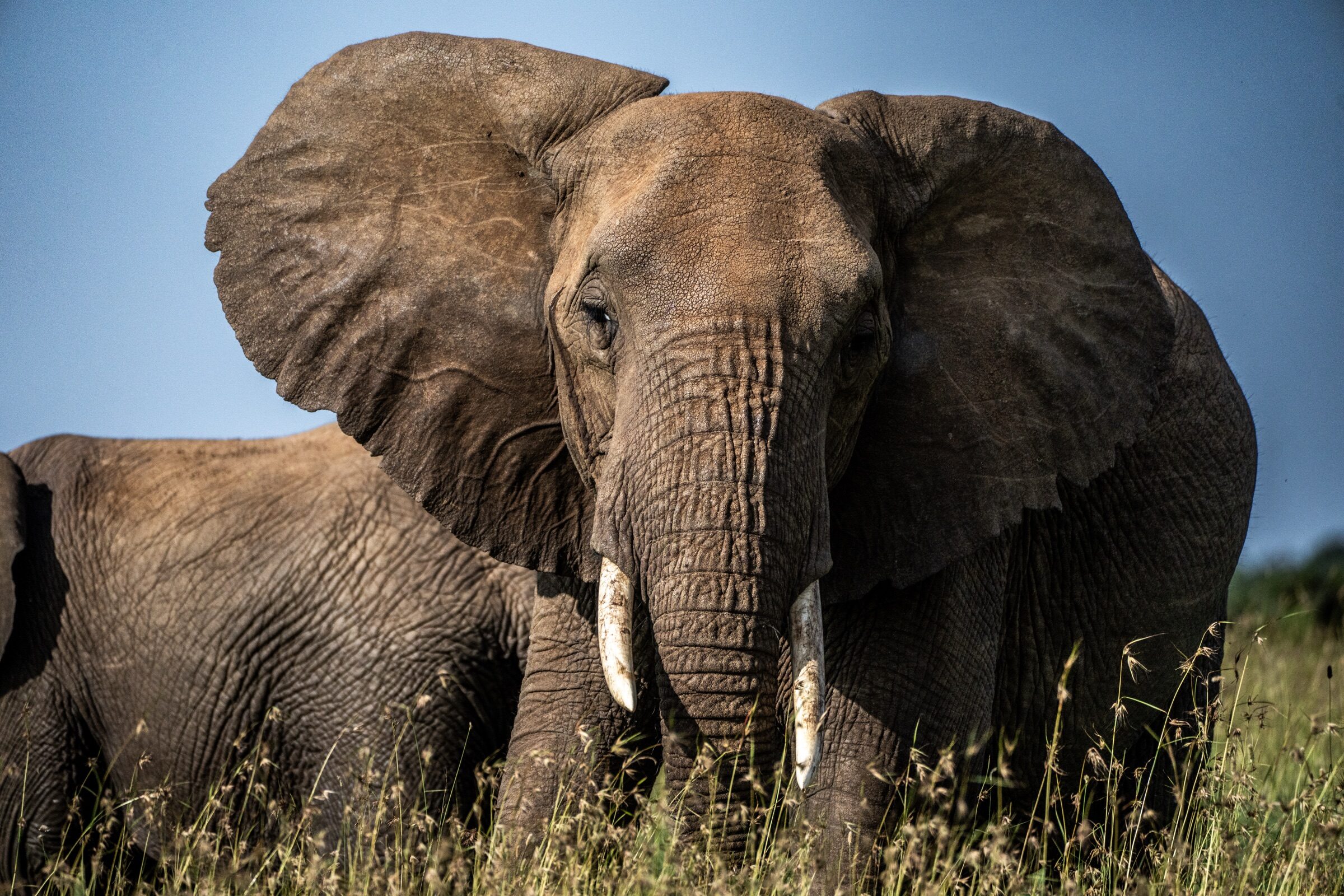
Sasakwa is a hilltop manor above the Grumeti Reserves, 350,000 acres on the western corridor of the Serengeti, held under a conservation concession and closed to the general public. The migration crosses it. The game density is high and the vehicle density is close to zero.
You take a three-bedroom cottage, private guide and vehicle, and three days of doing very little at pace. After nine days on the mountain, that is the point.

The exit is its own day rather than a transfer.
A Caravan brings you back to Arusha in the morning, then an Airbus H130 flies the Great Rift Valley: the pink soda flats of Lake Natron, the flamingo colonies, and Ol Doinyo Lengai, the only active carbonatite volcano on earth, whose lava runs black and cools white.
Lunch on the shore of Natron. Day rooms in Arusha to shower and change. Airport handling at Kilimanjaro International, and the evening flight out.
Arusha Coffee Lodge. Two nights before the climb and day rooms on departure. Plantation cottages set in a working coffee estate, four-poster beds, fireplaces, private decks.
The mountain camps. VIP specification, not standard trekking kit: walk-in tents you can stand up in, proper bed cots, expedition sleeping systems, a heated dining tent, and a private toilet tent. Camps are set and struck by the crew ahead of you.
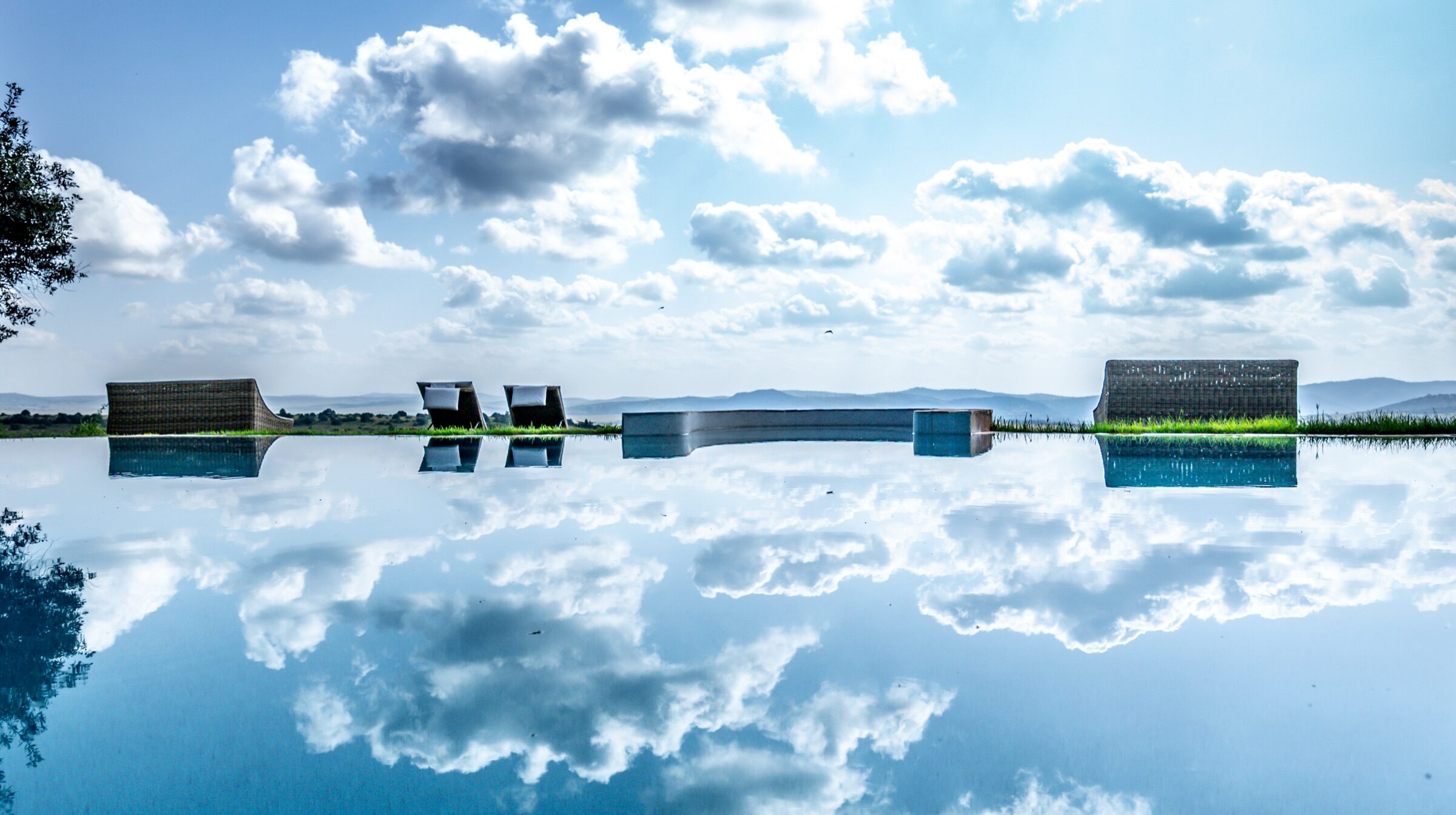
Singita Sasakwa Lodge. Three nights in a private three-bedroom cottage with plunge pool, on the ridge above the Grumeti plains. Full board, house drinks, twice-daily game activities.

This route was not designed in an office. It was walked, re-walked and negotiated into existence with the park over several seasons by a lead guide who has spent decades on this mountain, working alongside Kilimanjaro National Park rangers.
The mountain crew is drawn overwhelmingly from the Chagga communities at the foot of Kilimanjaro. The lead guide, assistant guides, cooks and camp crew travel with a maximum of four guests, which is a ratio no scheduled departure comes close to.
The rangers are not an escort. They are the reason a route on this side of the mountain exists at all, and part of the reason it matters is what a working trail does for the corridor it runs through.

Who this is for
Travellers who have walked at altitude before and want the mountain without the traffic. No technical climbing experience is required beyond a single guided rappel at Lava Tower, but nine consecutive days at altitude with two nights above 5,300 metres is demanding, and the crater night is not a place to discover you acclimatise badly.
Fitness
Demanding. Expect four to eight hours of walking on the bigger days. Arrive able to hike consecutive days with a light pack.
Season
Kilimanjaro's dry windows are January to March and June to October. September is the most reliable month for crater camping.
What is weather dependent
All helicopter movements. Barafu can cloud in by late morning, so summit-day extraction carries a ground fallback to Millennium Camp and a night on the mountain.
What is permit dependent
Crater Camp is granted by Kilimanjaro National Park case by case and is never guaranteed. If it is not issued, the summit is reached from Advanced Base Camp instead and the crater night is dropped.
Group size
Two to four guests. This is a private departure, not a scheduled one, and dates are built around you.
Land at Kilimanjaro International (JRO) and clear immigration with private airport handling. Ninety-minute transfer to Arusha Coffee Lodge. Dinner and an early night.
Climb briefing and full equipment inspection with the lead guide. Medical and altitude briefing. An optional three to four kilometre walk on the estate to shake out the flight. Second night at Arusha Coffee Lodge.
Helicopter from Arusha onto Simba Farm on the western flank. Lunch at the farm. The walk begins at the Murram Barrier at 3,100 metres: roughly four kilometres, two and a half to three and a half hours, to Shira 1 Camp at 3,505 metres. First night in camp.
Nine point eight kilometres across the Shira plateau to Moir Camp at 4,145 metres, four and a half to six hours. Open volcanic tableland with the summit block ahead the whole way.
Acclimatisation day. Ten kilometre return hike to Lava Tower, high point around 4,630 metres, six to eight hours including a guided technical rappel descent of the tower with full safety systems. Return to Moir to sleep low.
The route breaks northwest onto the new corridor. Three point seven kilometres, three to four hours, route-finding across volcanic terrain to Nyati Camp at 4,663 metres.
A controlled walk of two and a half to four kilometres, two to four hours, to a high point around 4,900 to 5,000 metres, then back to Nyati for a second night. This is the day that makes the crater possible.
Climb to Advanced Base Camp at approximately 5,304 metres, including a protected handrail section installed by the route team. Short day by distance, serious by altitude.
Four point eight kilometres, five to seven hours, from Advanced Base Camp up through the summit zone, crossing between the glaciers of the Northern Icefield and past the cinder cone to Crater Camp at approximately 5,730 metres. A night inside the caldera. Permit dependent.
Pre-dawn departure for Uhuru Peak at 5,895 metres, the summit of Africa. Descend by Stella Point to Barafu, roughly six point eight kilometres and about five hours. Helicopter extraction from Barafu to Arusha, weather permitting, with a ground fallback to Millennium Camp. Night at Arusha Coffee Lodge.
Private transfer to Arusha Airport and a Cessna Caravan charter to Sasakwa Airstrip on the Grumeti Reserves. Arrival at Singita Sasakwa Lodge, three-bedroom cottage. Afternoon game drive and sundowners.
A full day on the Grumeti Reserves, 350,000 acres adjoining the Serengeti and closed to the public. Morning and afternoon game activities with a private guide and vehicle. High game density, near-zero vehicle density.
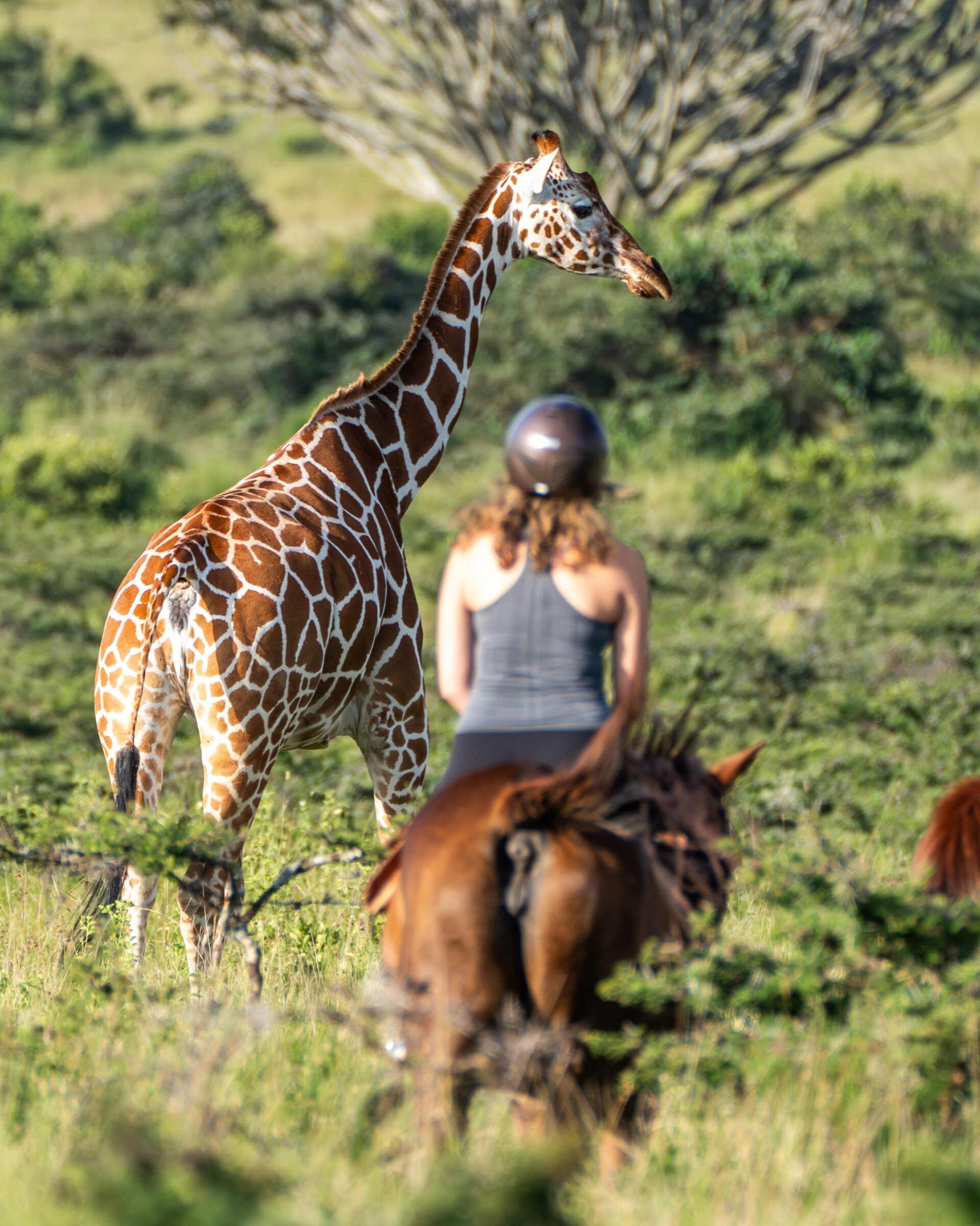
Second full day at Sasakwa. Game drives, walking safari, horseback, tennis, the pool, the spa, or nothing at all. Activities coordinated by the lodge around what you want after nine days on a mountain.
08:00 Coastal Aviation Caravan from Sasakwa to Arusha Airport. From 09:00, an Airbus H130 helicopter tour of the Great Rift Valley: Lake Natron, the soda flats and flamingo colonies, and Ol Doinyo Lengai, the only active carbonatite volcano on earth. Picnic lunch on the shore of Natron. 16:00 day rooms at Arusha Coffee Lodge to shower and change. 17:30 transfer to Kilimanjaro International with private airport handling for the evening departure.
Plantation lodge, expedition camp and private safari lodge. Arusha and Kilimanjaro National Park, then Grumeti Reserves, Tanzania.
Three distinct standards across fourteen days. A working coffee estate at the start and finish, genuinely comfortable expedition camps on the mountain rather than standard trekking kit, and a hilltop manor on a private 350,000-acre concession for the last three nights.
A trail is infrastructure. Where guides, porters and rangers walk regularly, poaching falls and legitimate work arrives. The western side of Kilimanjaro currently gets very little of either. Opening a commercial route through that corridor puts paid work into communities at the foot of the mountain and puts eyes on ground that has not had them. The second half of the trip sits on the Grumeti Reserves, where the Grumeti Fund has run anti-poaching, community education and wildlife research since 2002. Both halves of this expedition are on land where tourism is the funding mechanism for protection.
The route is run by a specialist Tanzanian-based outfitter that has spent several seasons working this line out on the ground with Kilimanjaro National Park. The lead guide has decades on this mountain. Assistant guides, cooks and camp crew are drawn overwhelmingly from the Chagga communities at the foot of Kilimanjaro, and park rangers are partners in the route rather than an escort attached to it. On the Serengeti half, Singita provides a private guide and vehicle for the duration.
Duration. Fourteen days door to door: two nights in Arusha, eight nights on the mountain, one night back in Arusha, three nights at Singita, and a full Rift Valley day on departure.
Party size. Two to four guests. Private departure, dates built around you, nothing shared with another party at any point.
Altitude profile. 3,100m start, 3,505m, 4,145m, 4,145m, 4,663m, 4,663m, 5,304m, 5,730m, 5,895m summit. Two full acclimatisation days, at Moir and at Nyati, are built into the schedule rather than offered as an upsell.
Getting there. KLM connects Amsterdam to Kilimanjaro International daily, with US gateways at Atlanta, Detroit and JFK. Qatar and Turkish also serve JRO. Plan to land the evening before day one or on day one itself.
Crater Camp. The night at 5,730m inside the caldera is subject to a Kilimanjaro National Park permit issued case by case. It is requested well in advance and is usually granted for parties on this route, but it is never guaranteed. Without it, the summit is reached from Advanced Base Camp and the crater night is dropped.
Cameras and drones. Drone flying in Kilimanjaro National Park and on the Grumeti Reserves requires registration, permits and, in the park, a designated drone officer. Serial numbers and model details are needed well ahead of arrival. Tell us at booking if you are bringing one.
Insurance. Travel, medical and helicopter evacuation cover is mandatory and must be in place before departure.
Two things separate this from a standard Kilimanjaro climb. The first is the acclimatisation: two full rest days built into an already long profile, which is why a crater night is on the table at all. The second is the exit. Most parties finish with two brutal days of descent on wrecked knees. Here you summit at first light and a helicopter takes you off the same day, so you arrive at Singita with something left. Ask about the Lava Tower rappel when you book, it is optional but it is the day everyone talks about afterwards. And ask early about the crater permit: it is requested months ahead and it is the one part of the itinerary that is not in the operator's gift.
This is for the friend who has already done the famous things and wants somewhere that is not full. Kilimanjaro reads as a crowded bucket-list climb, and this is the version of it that is not: the empty western flank, a route worked out over several seasons with the park, a night inside the summit crater beside ice that is measurably running out, a maximum of four people, and Singita Sasakwa on the back end so the trip does not end with an airport. Best months are June to October, September strongest. It needs booking well ahead because of the permit and the Singita cottage.